
Optimal Timing for Power Washing
Power washing is most effective when performed during specific times of the year to maximize results and prevent damage. The best time for power washings typically depends on weather conditions and the type of surfaces being cleaned. Proper timing ensures that surfaces are not exposed to extreme weather, which can compromise the cleaning process.
Spring is ideal for removing accumulated dirt, mold, and algae after winter, preparing surfaces for the warmer months.
Fall cleaning helps remove debris and prepares surfaces for winter, reducing the risk of damage from snow and ice.
Power washing during extreme summer heat can cause rapid drying and streaking; early morning or late evening sessions are preferred.
Cleaning after winter helps eliminate salt, grime, and moss that can deteriorate surfaces if left untreated.
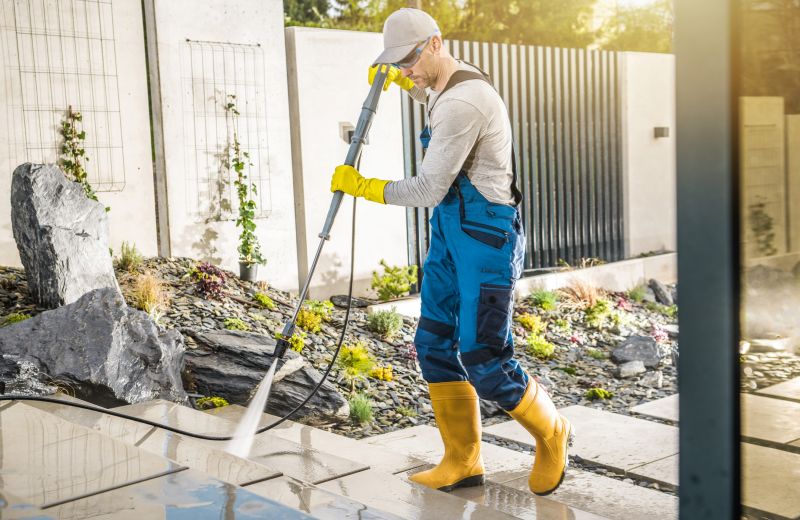
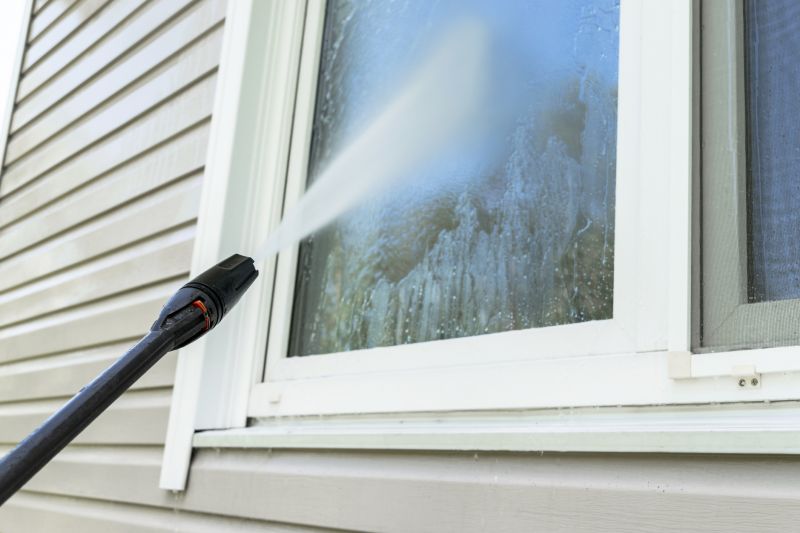
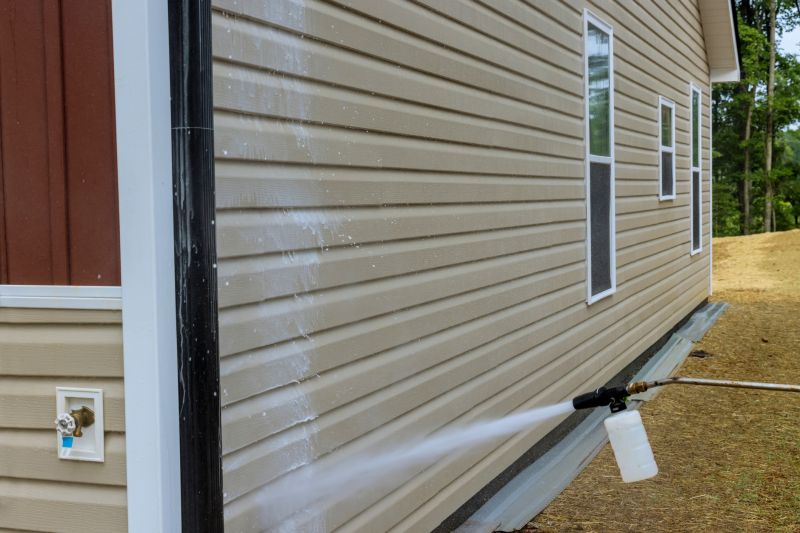
High-pressure washers cleaning a building exterior.
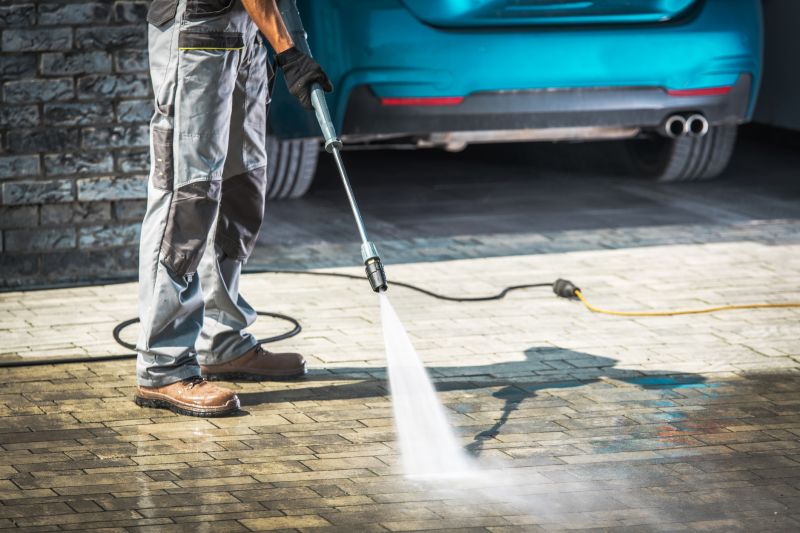
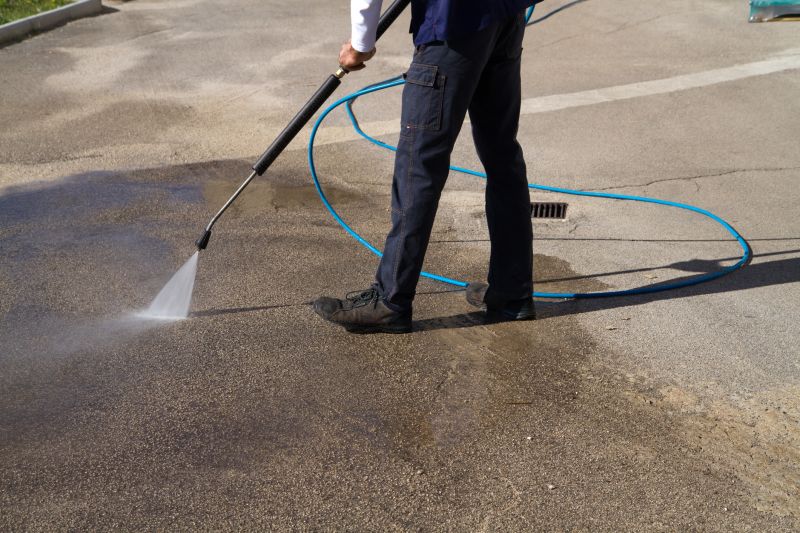
Cleaning a driveway during springtime.
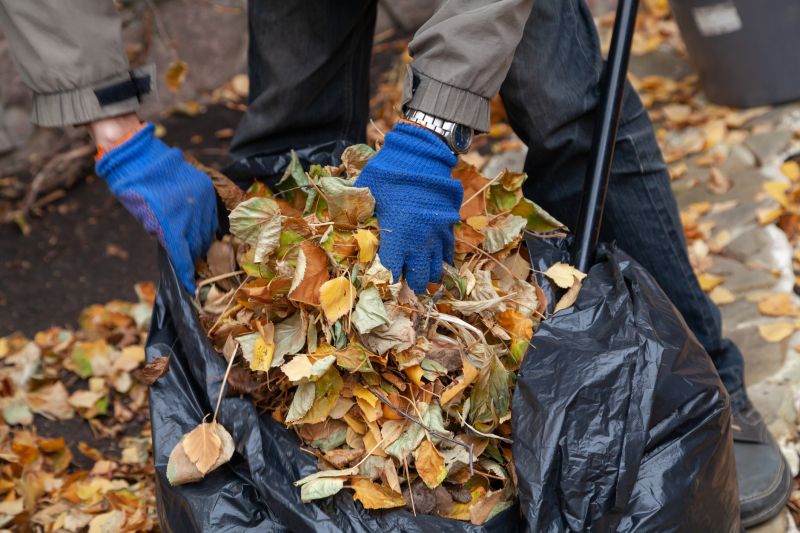
Removing debris from a patio in autumn.
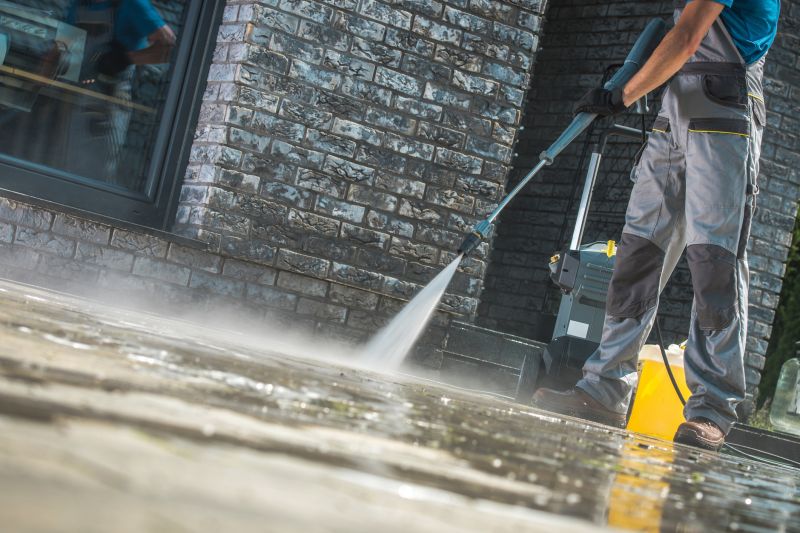
Ways to make Power Washings work in tight or awkward layouts.

Popular materials for Power Washings and why they hold up over time.
Simple add-ons that improve Power Washings without blowing the budget.
High-end options that actually feel worth it for Power Washings.
Finishes and colors that play nicely with Power Washings.
Power washing utilizes high-pressure water streams to remove dirt, grime, mold, and other buildup from surfaces. It is a highly effective method for cleaning exteriors, driveways, decks, and other surfaces, improving appearance and prolonging their lifespan. Regular power washing can prevent the deterioration of surfaces caused by mold, algae, and dirt accumulation. Studies show that properly maintained surfaces can last up to 50% longer, reducing the need for costly repairs.
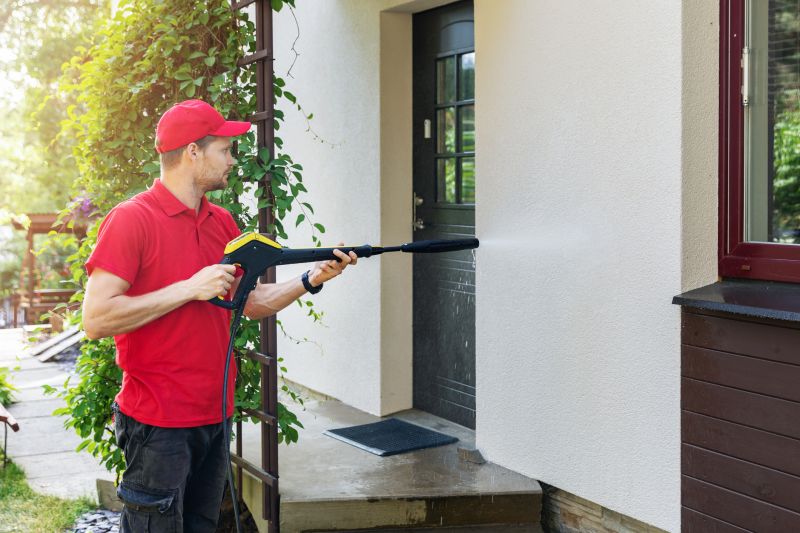
Before and after power washing a building exterior.
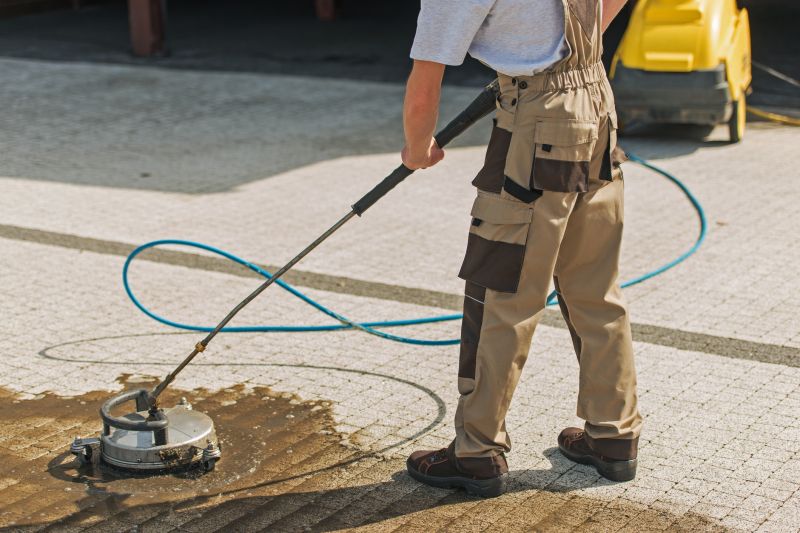
Removing stains and dirt from a driveway surface.
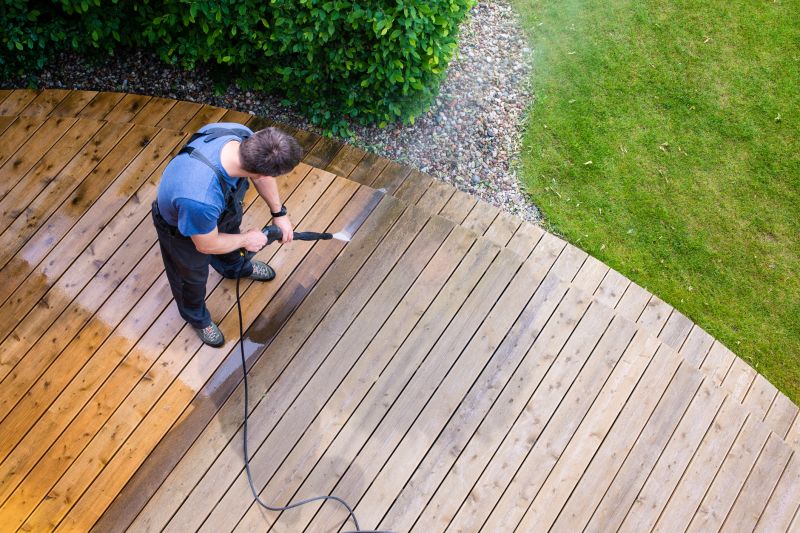
Revitalizing a wooden deck with power washing.

Power washing a commercial facade for a fresh look.
| Season | Best Practices |
|---|---|
| Spring | Remove winter grime and prepare for warmer weather. |
| Summer | Schedule early morning or late evening to avoid heat. |
| Fall | Clean surfaces before winter to prevent damage. |
| Winter | Limited power washing; focus on frost-free days. |
| Post-winter | Eliminate salt and mold buildup. |
| Dry conditions | Ensure surfaces are dry before power washing to prevent streaks. |
Choosing the right time for power washing depends on local climate and specific surface conditions. Avoid scheduling during extreme weather or when surfaces are wet or frozen. Proper timing helps ensure thorough cleaning, longer-lasting results, and minimizes potential damage. Regularly scheduled power washings can maintain property value and curb appeal, especially when timed with seasonal changes.

Performing power washing during clear weather for optimal results.
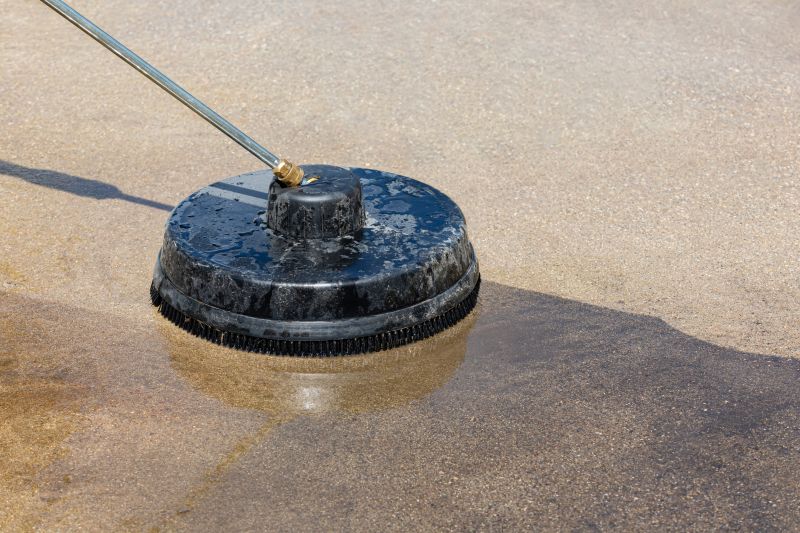
Removing loose debris before cleaning.
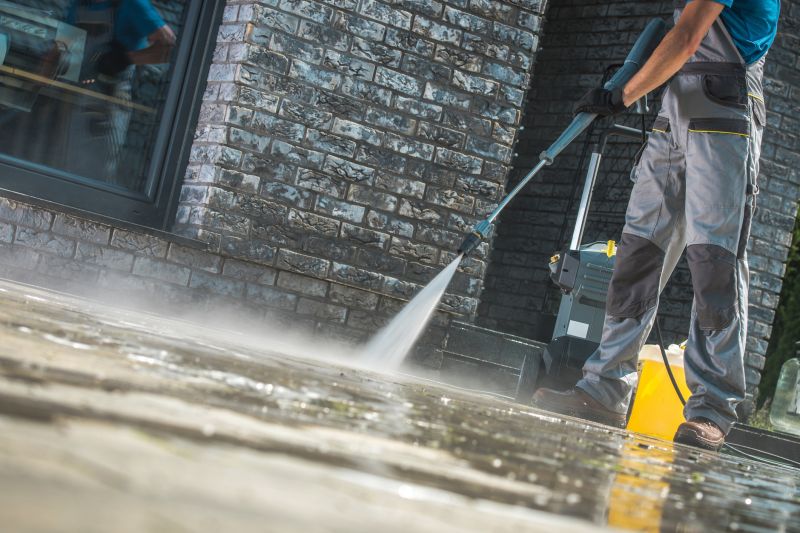
Setting up high-pressure washers for cleaning.
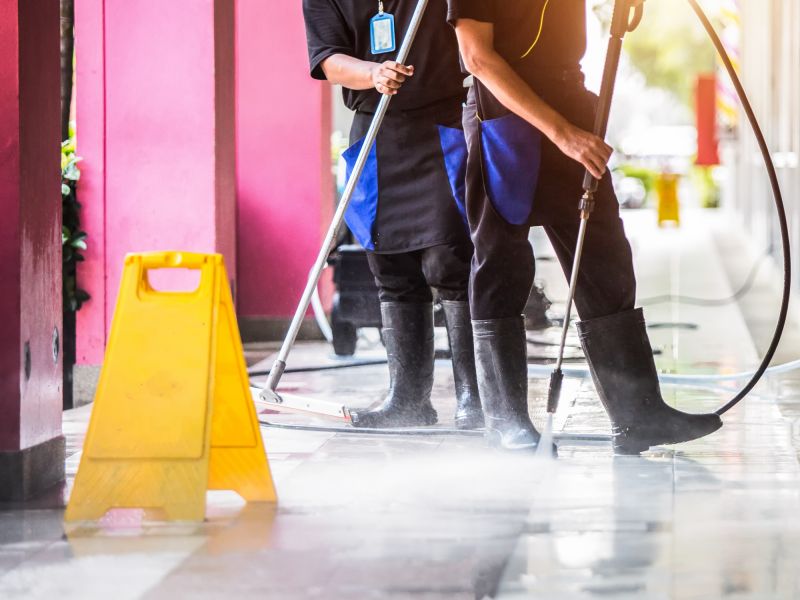
Little measurements that prevent headaches on Power Washings day.
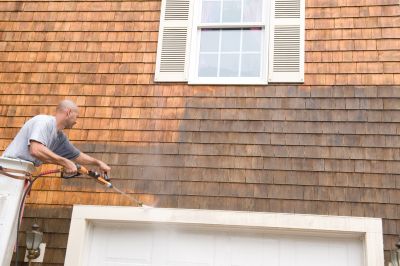
A 60-second routine that keeps Power Washings looking new.
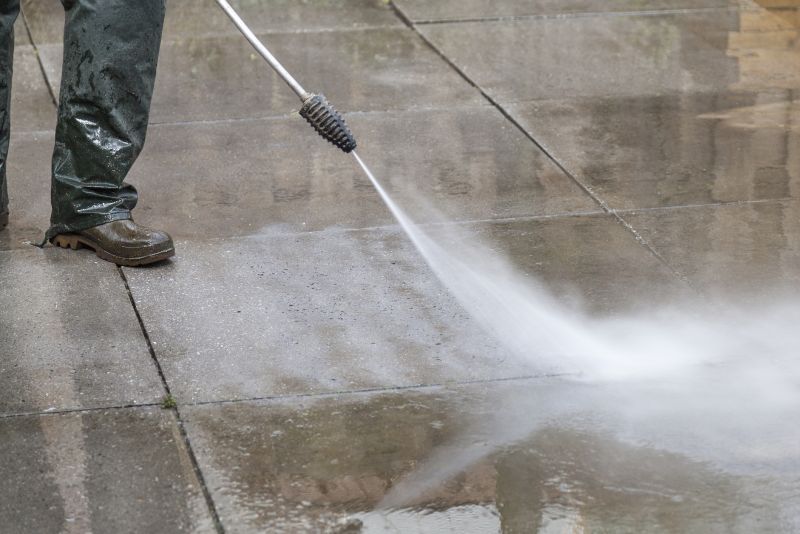
A frequent mistake in Power Washings and how to dodge it.

Small tweaks to make Power Washings safer and easier to use.

Lower-waste or water-saving choices for Power Washings.
Interested parties can contact to schedule power washing services during the optimal seasons for their property. Proper timing and professional techniques ensure effective cleaning and surface longevity. Regular maintenance through power washing can significantly enhance curb appeal and protect investments.